
Background
A gas production facility in Taranaki engaged Equinox Automation to complete a facility-wide Fire and Gas Mapping Study. The study established a consistent performance-based detection coverage framework across operating plant areas using methodology consistent with ISA-TR84.00.07, Guidance on the Evaluation of Fire, Combustible Gas, and Toxic Gas System Effectiveness.
The objective of the study was to define a traceable fire and gas detection design aligned with recognised performance-based mapping methodology and suitable for the natural gas and hydrocarbon liquids processed and stored onsite. Additionally, to confirm alignment of the existing Fire and Gas System (FGS) detection coverage with the performance-based mapping methodology.
The hydrocarbon liquid storage tank farm area was identified for assessment as part of the mapping project. Detection coverage requirements for the storage tank farm area had not previously been defined against a performance-based Fire and Gas Mapping methodology. They were to be established as part of the facility mapping project to support compliance management for Major Hazard Facilities.
The storage tank area was prioritised to define the basis for detection coverage for hydrocarbon storage and liquid transfer operations.
The operator required confirmation regarding:
- Whether fire and gas detection coverage was required within the storage tank farm area
- Confirm vapour detection technology and performance characteristics to detect credible release scenarios, including overfill and relief device activation
- Definition and application of fire and gas detection philosophy
- Definition of coverage targets using a risk-based methodology
Solution
Defining Storage Tank Fire and Gas Detection Coverage
The storage tank farm was defined as a discrete Fire and Gas mapping zone. Detection requirements were established based on the hazard environment associated with hydrocarbon storage and transfer operations rather than inferred from adjacent process plant areas.
Equinox engineers completed a process equipment specific Fire and Gas Risk Assessment and integrated into the wider facility mapping framework. Coverage targets for gas detection and fire detection were established for storage tanks, transfer pumps, and bunded containment areas within the zone boundaries.
Hydrocarbon liquid release scenarios associated with storage tanks and transfer equipment were assessed to determine the credible conditions for vapour generation within the bunded containment area. These scenarios established the basis for vapour detection and supported gas detection coverage requirements, detector technology selection, and calibration alignment with the identified release conditions.
Fire detection hazards associated with storage and transfer equipment outside the bund area were assessed to define fire detection performance targets consistent with the study developed detection philosophy.
Selected FGS performance criteria were modelled using specialist 3D Fire and Gas mapping software against plant equipment geometry.
Detector layouts were assessed, and coverage confirmed where detection was required. The proposed layout was validated using the mapping software to confirm that the required coverage could be achieved for the identified facility fire and gas hazards.
Study activities, mapping results, and detector layout recommendations were documented in a detailed report with supporting deliverables, including coverage results and detector layout drawings.
Results
The study established a defined fire and gas detection performance basis for the hydrocarbon storage tank area within the facility-wide mapping project. Detector layout design was developed to achieve this basis.
The results support detection coverage for credible gas release and fire scenarios and enable early hazard detection and escalation response.
Confirmed outcomes included:
- Fire and gas risk assessment aligned with performance-based mapping methodology
- Defined detection coverage requirements for the storage tank area
- Analysis of gas detection and fire detection hazards within the storage tank area
- Vapour behavior analysis supporting gas detector technology selection and calibration alignment
- Detector layouts modelled and validated using specialist 3D mapping software
- Detector quantities, mounting arrangements and layouts developed using performance-based mapping methodology
- Report and design basis documentation supporting compliance and lifecycle management of detector coverage within client engineering management systems
Contact Equinox Automation to discuss performance-based Fire and Gas Mapping requirements for your facility.
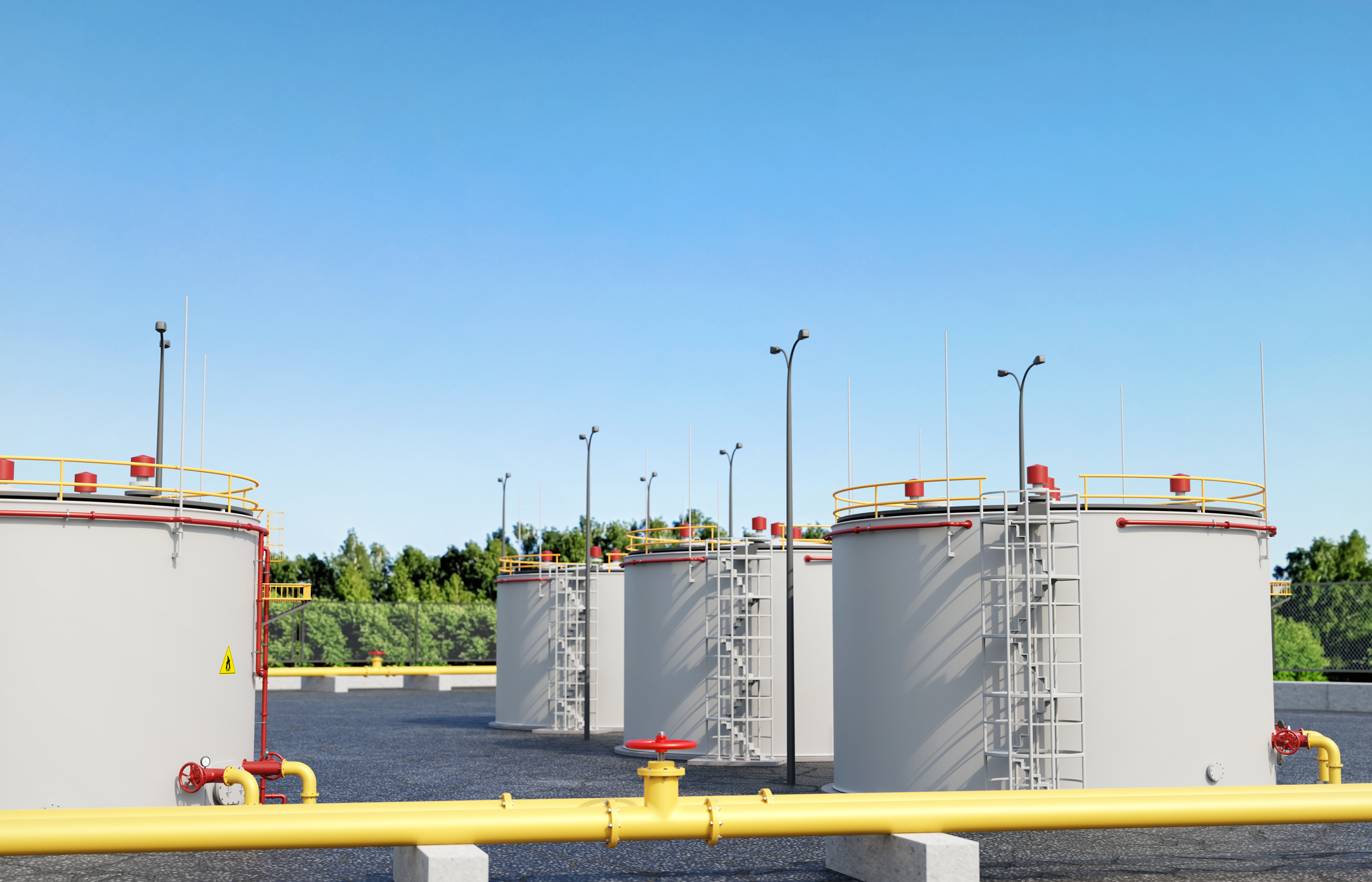
Representative hydrocarbon storage tank farm similar to the facility assessed.
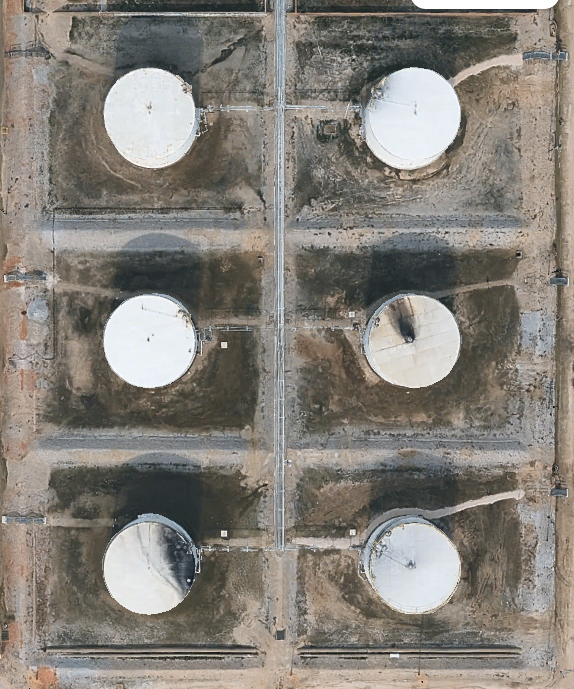
Representative hydrocarbon storage tank farm similar to the facility assessed using performance-based Fire and Gas Mapping methodology.
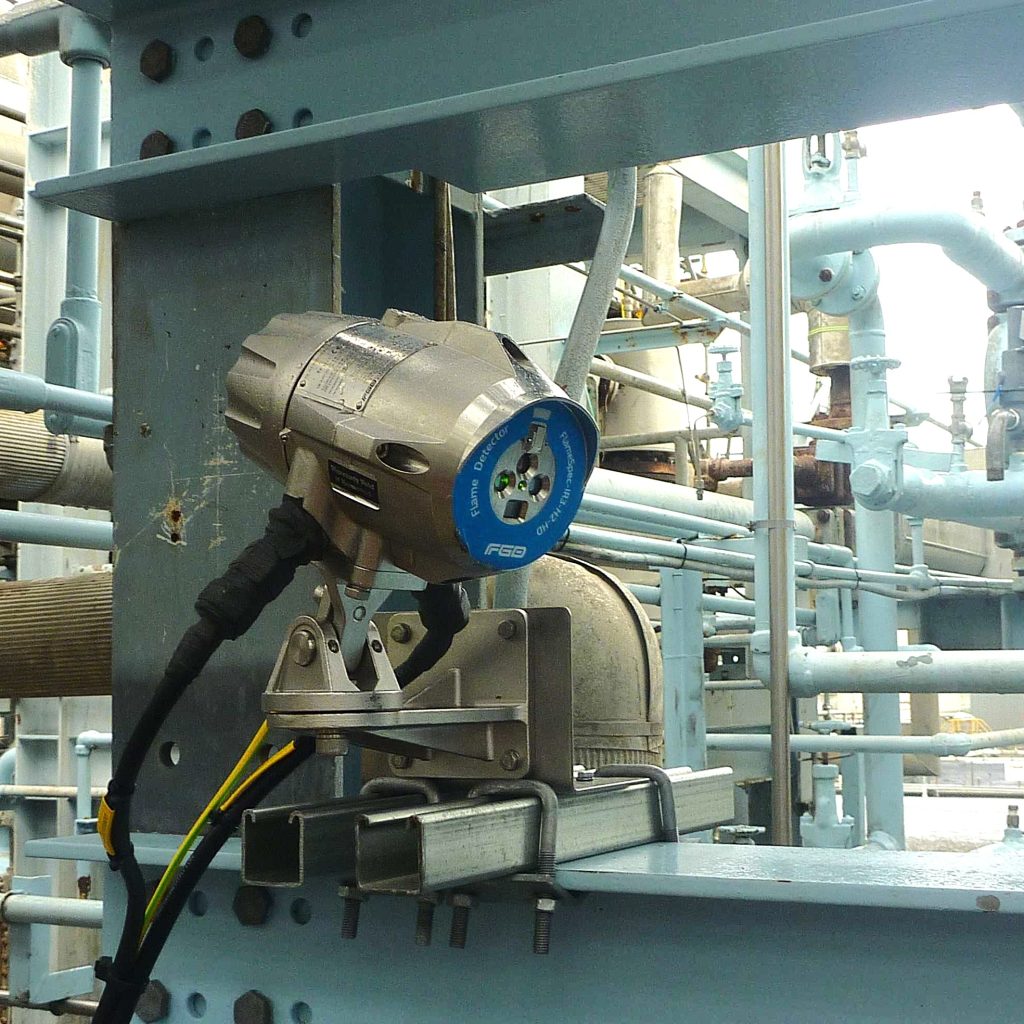
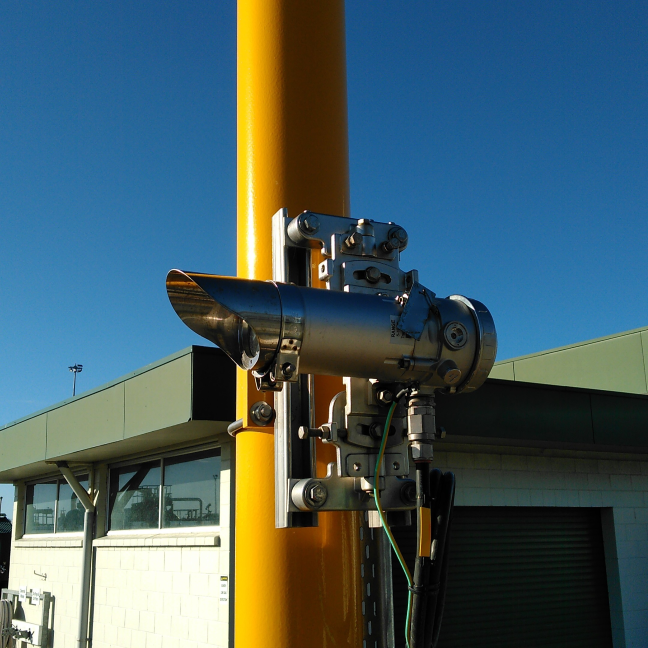
Representative fire and gas detection technologies considered during performance-based coverage evaluation