
Background
A new major geothermal power facility in New Zealand required independent verification of its Fire & Gas Detection System prior to construction and commissioning. The objective was to deliver a Fire and Gas Mapping Study to determine that the detector placement, coverage performance, and system configuration were aligned with the facility layout and operating philosophy.
The challenge was not the absence of design, but ensuring that the final detection arrangement was consistent, verifiable, and fit for purpose across different plant areas with varying layouts and equipment configurations. The project also required documentation that could support construction, commissioning, and future change without re-interpreting design intent.
Equinox Automation was engaged to provide an independent, performance-based assessment of detector coverage and system configuration prior to implementation.
Solution
Equinox applied a structured Fire & Gas Mapping approach consistent with current industry standards and performance-based design methodology. The study was completed using performance-based methodology aligned with ISA Fire & Gas Mapping principles and IEC 61511 lifecycle thinking.
Fire and gas zones were defined to reflect the physical layout and functional grouping of plant areas. Equipment grading and coverage targets were established to ensure detector performance expectations were applied consistently, rather than relying on uniform detector spacing or prescriptive assumptions.
Detector layouts were developed and verified using Fire & Gas mapping software. Where multiple layout options were feasible, they were assessed against coverage performance and constructability to confirm suitability for implementation while meeting defined performance objectives.
System integration design, including detection philosophy and voting arrangements, was reviewed to support operations and emergency response. Installation and orientation considerations were incorporated into the study outputs to assist construction and commissioning teams and to clarify how changes to detector placement should be managed.
All recommended layouts were verified against the defined coverage targets, with results documented by zone to provide transparency and traceability.
Results
The study confirmed that detector layouts met defined coverage performance objectives across all mapped zones. The outputs provided a documented performance basis for construction, commissioning, and future system modification, establishing a traceable reference framework for the facility lifecycle.
Key results:
- Verified fire and gas detector coverage against defined objectives
- Construction-ready detector layouts with documented performance basis
- Clear documentation supporting installation and commissioning
- Report defined reference baseline for future modification and review.
Equinox Automation provides Fire and Gas Mapping and performance-based Fire and Gas System engineering support for energy and process facilities across New Zealand and Australia.
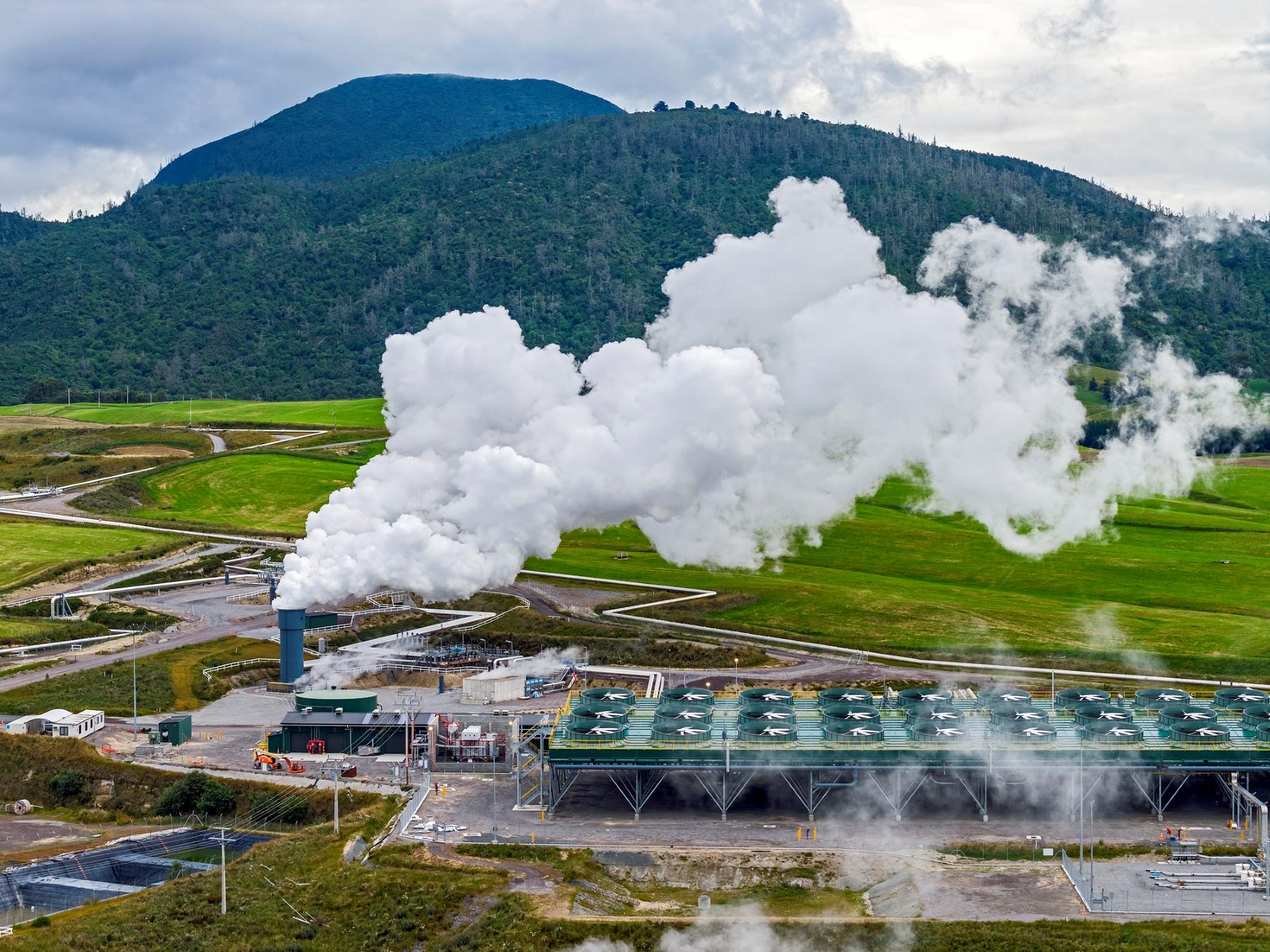
Geothermal power plant in New Zealand.
Study Outcomes
- Performance-based design
- Verified detector coverage
- Construction-ready layouts
- Defined reference baseline
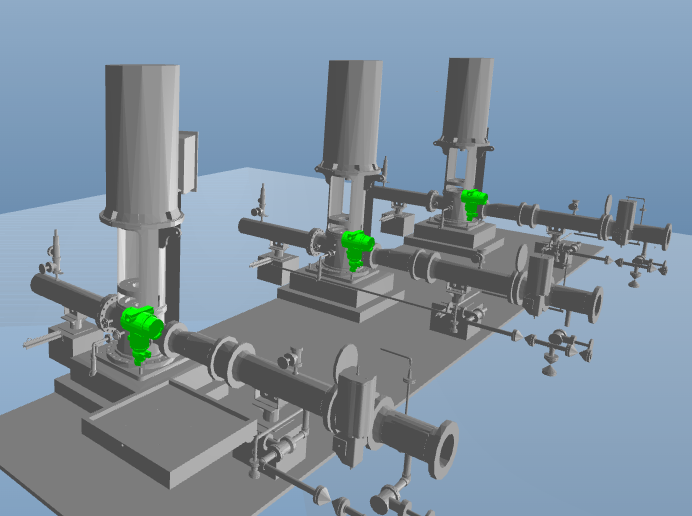
Illustrative 3D fire and gas mapping with specialist software tools.